Massive bleeding
Duration
55 min
Level
Low / Medium / High
Location
Indoor
The lesson provides information and exercises related to the first letter of the MARCH (M-massive bleeding) protocol. Initial examination, identification, and detection of bleeding, use of various equipment to control bleeding.
Required Gear
Topics
- 29
- 30
- 31
- 32
- 33
- 34
- 40
- 43
- 45
Drills
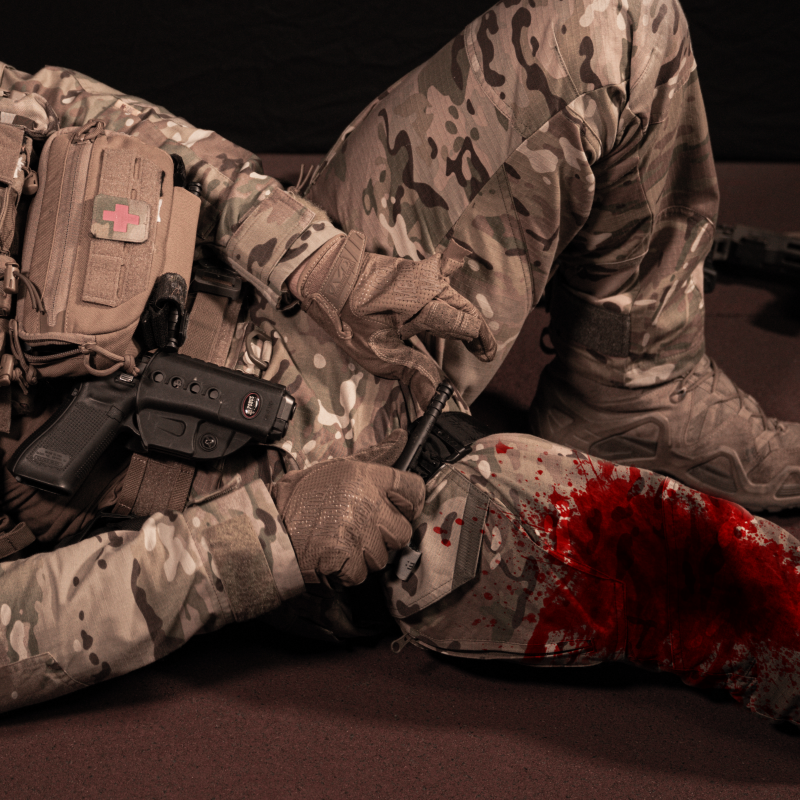
Applying the CAT tourniquet. Lower limb
The action sequence for the lower limb injury. The technique of applying and fixing the tourniquet in case of a leg injury and preparing the tourniquet for training.
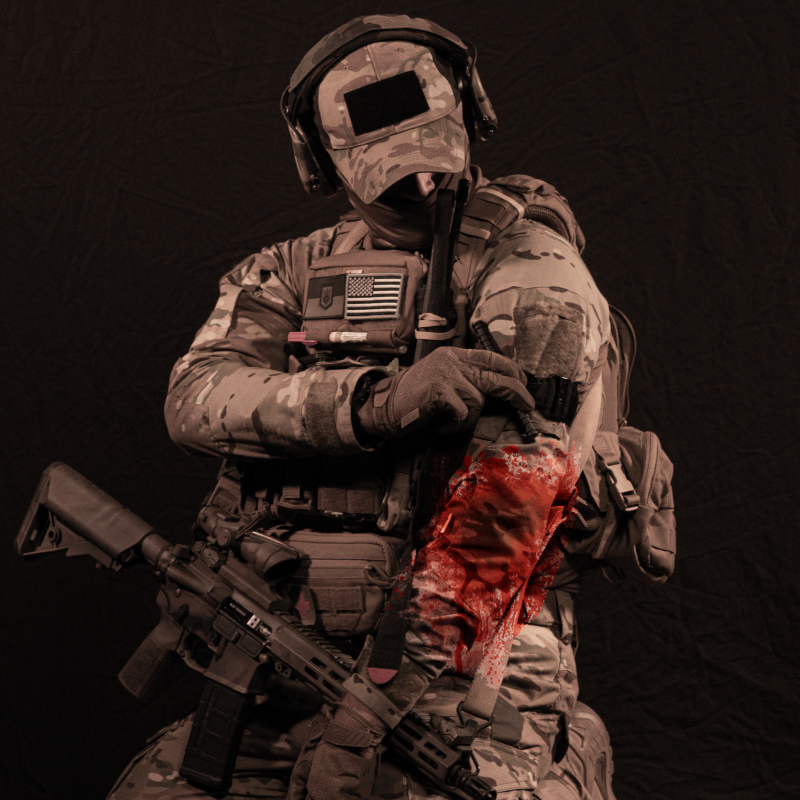
Applying a CAT tourniquet with one hand. Upper limb.
The sequence of actions when getting the upper limb injured. The technique of applying and securing the tourniquet with one hand. Preparing the tourniquet for training.
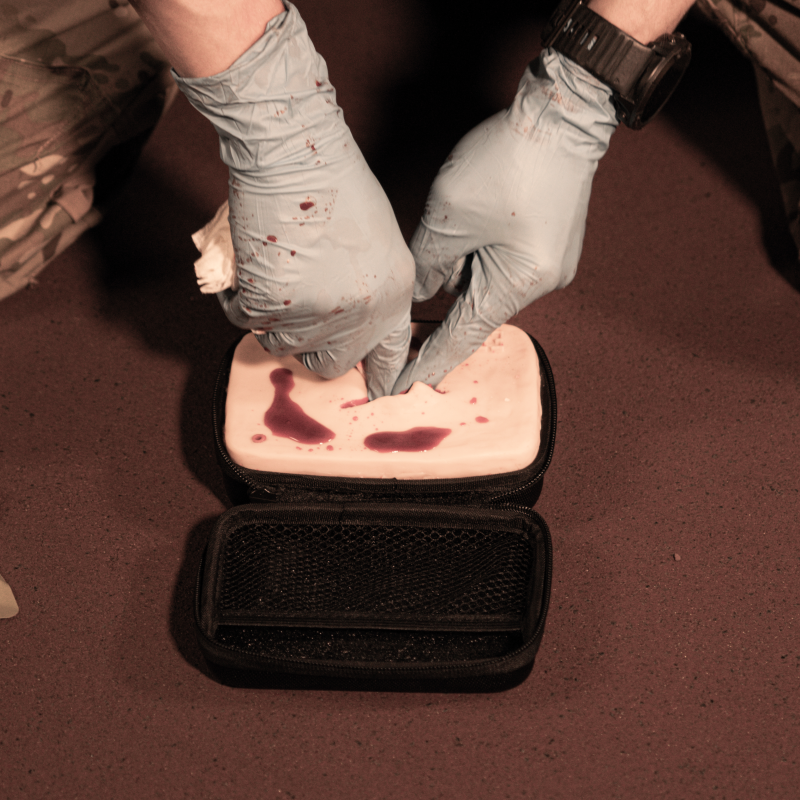
Applying wound tamponade
Steps using the wound tamponade. Technique and action algorithm to tampon wounds.
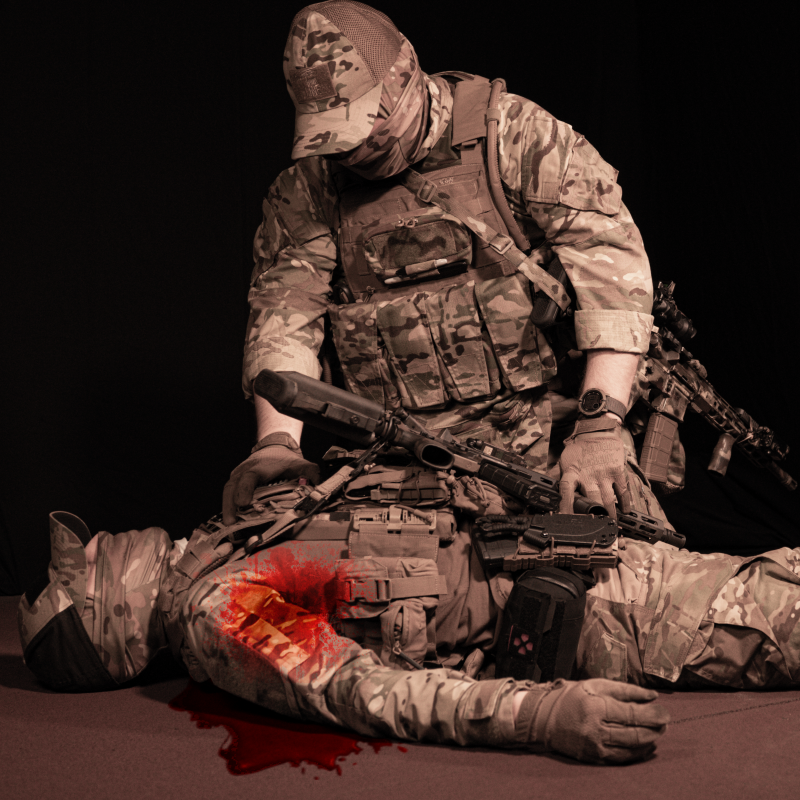
Quick inspection under fire
Actions during the prompt medical evaluation of the wounded in the under-fire area. The performance technique and the critical behavior rules under fire and during the examination of the injured for massive bleeding.
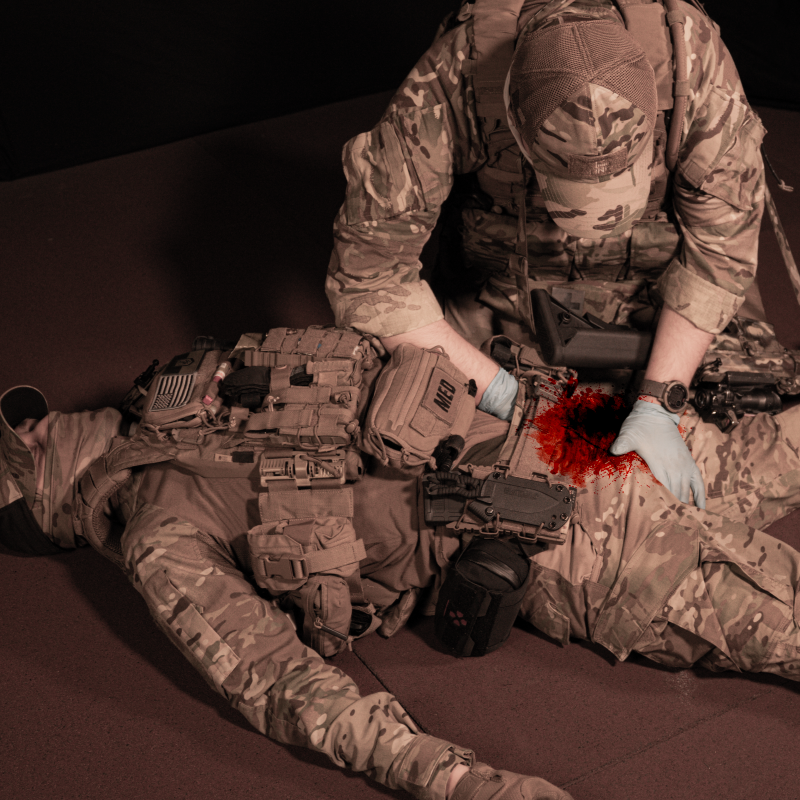
Thorough examination of the wounded in the shelter
The actions during prompt evaluation of the wounded in the under-fire zone. Performance and key behavioral rules under fire and while examining the wounded for massive bleeding.
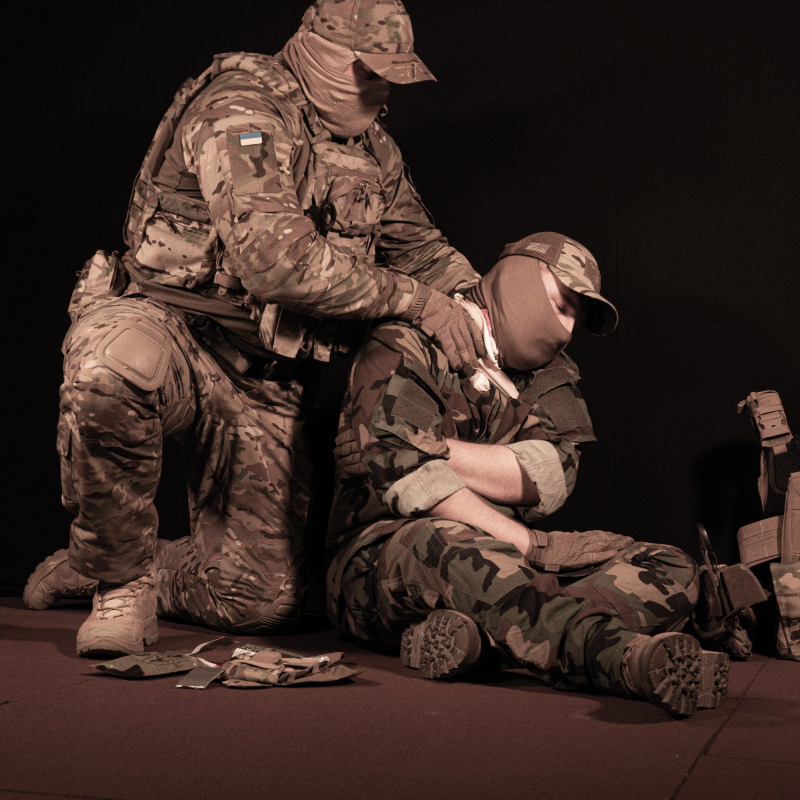
Neck pressure bandage
This exercise demonstrates the proper application of the neck pressure bandage to stop massive bleeding. Technique and sequence of actions to apply the bandage.
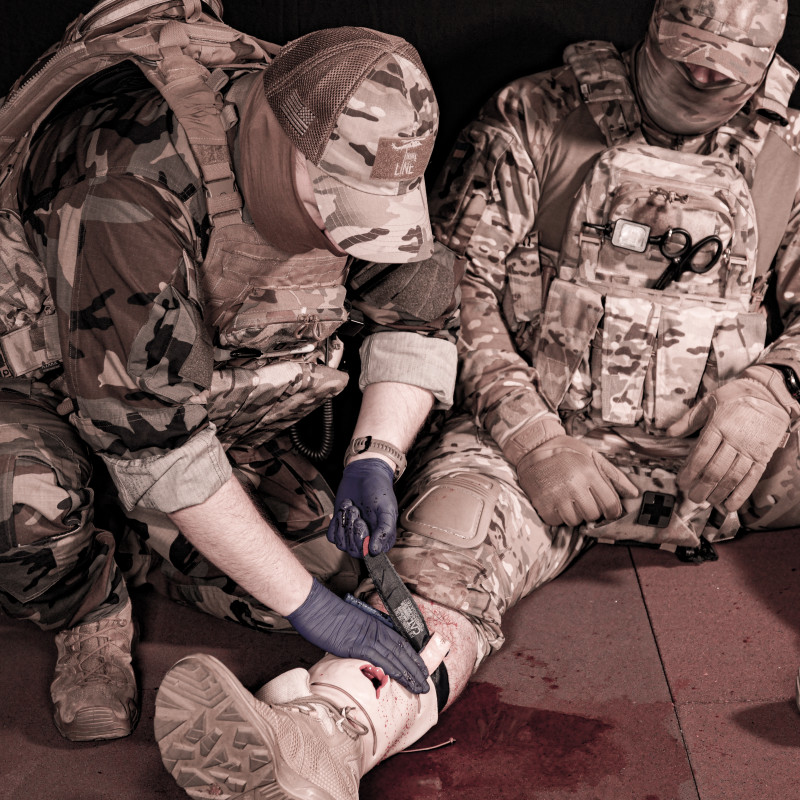
A properly applied tourniquet
In this lesson, you will learn how to apply a tourniquet properly when there is a visible source of bleeding.
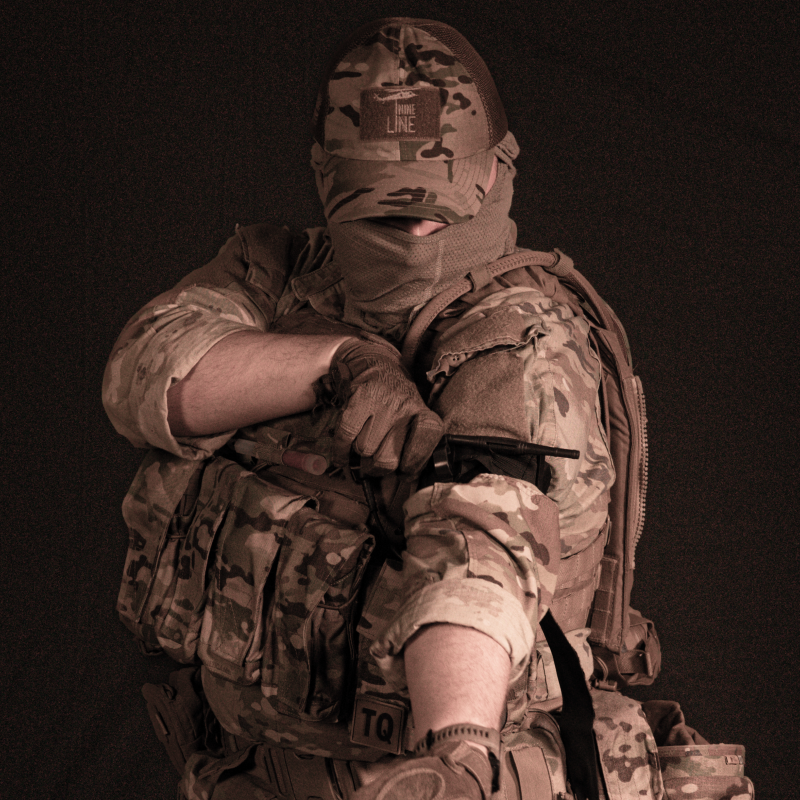
One-handed TMT tourniquet application. Upper limb.
This exercise demonstrates the features of using the TMT speed buckle, the torsion bar's retaining clip, and its application time recording.
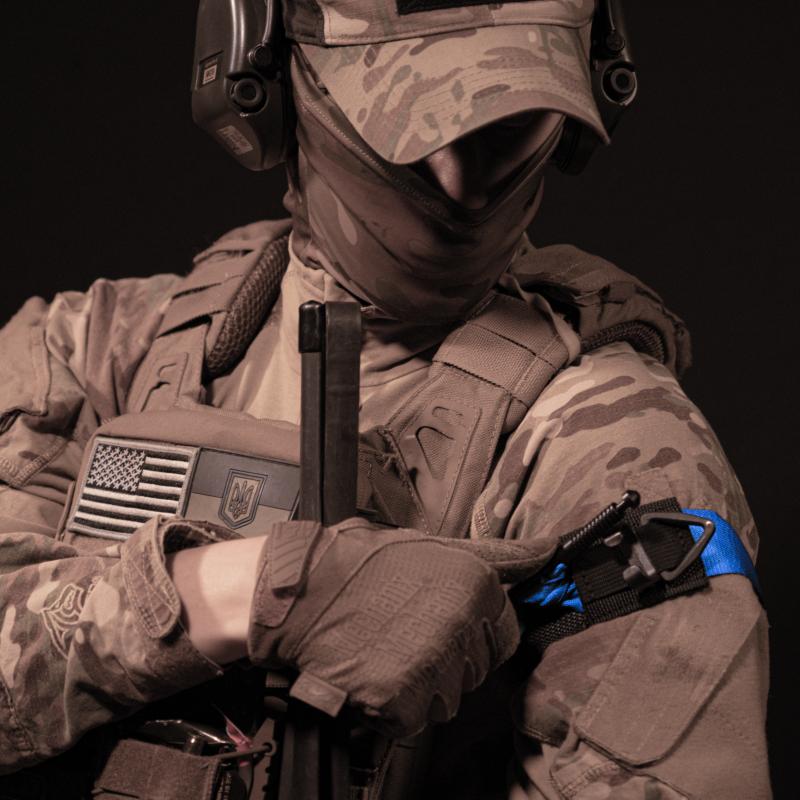
Applying the SOF tourniquet with one hand. Upper limb
The sequence of actions in case of injuring the upper limb. The technique of applying and securing the tourniquet for a hand injury. Preparing the tourniquet for training.