Rapid Fire Speed. 7 series
Instructor

PSDinfo Academy
Duration
32 min
Level
Medium / High
Location
Outdoor
In this topic, we examine the speed of rapid fire — a component of shooting training that many find interesting, yet it is far more challenging to develop than target acquisition speed. The foundation of high-rate accurate fire lies in fast and controlled trigger manipulation, which depends not only on technique but also on the shooter’s individual physiological capabilities. The instructor explains why improving rapid-fire speed is significantly more difficult: nerve conduction, limb mobility, and overall motor skills vary from person to person. Some individuals naturally demonstrate impressive results, while others, as noted in the video, may need years of training to reach even an average level. However, with the right approach and systematic exercises, this skill can be greatly improved.
Required Gear
Topics
- 4
- 5
- 7
- 8
- 9
Drills
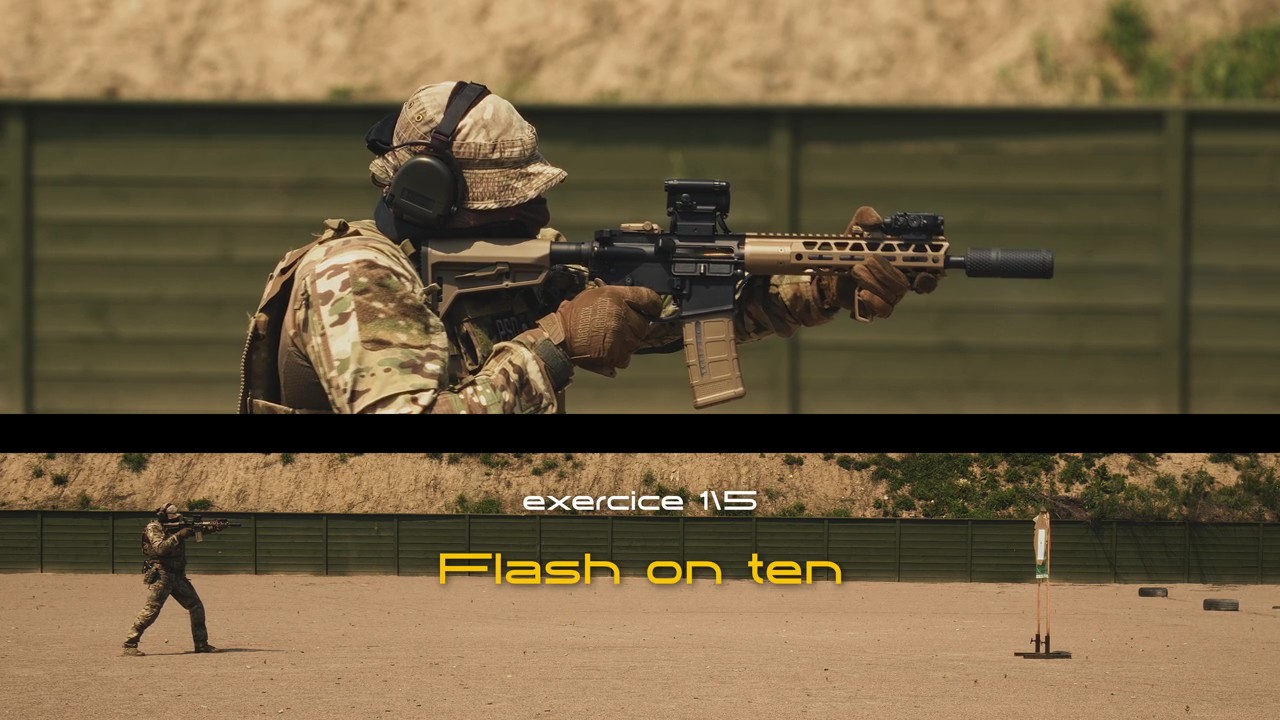
5.1 Rate of fire "Flash on 10"
In this lesson, the instructor explores a topic that many shooters find fascinating — the rate of fire, or high-tempo shooting. You will learn why this skill is one of the hardest to develop and why its foundation is trigger manipulation — fast, controlled, and consistent. The instructor explains that unlike target-acquisition speed, which can be improved relatively quickly, rate of fire is strongly influenced by individual physiology: nerve conduction speed, coordination, and fine motor skills. Some shooters are naturally gifted, while others may need years to reach an average level. Nevertheless, the instructor presents practical methods that allow every shooter to build this capability. The first preparatory drill presented is “Flash at Ten”, designed to develop the ability to perform smooth, continuous double shots.
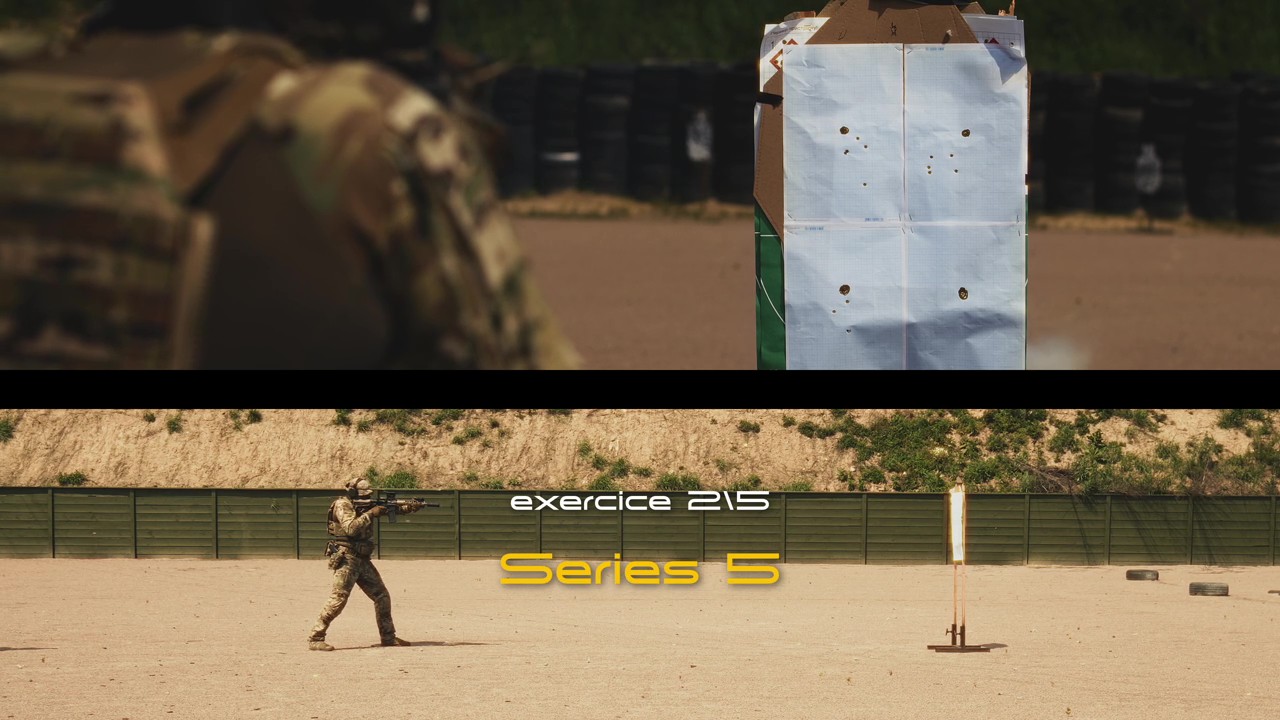
5.2 - Drill "Series 5"
In this lesson, the instructor presents the next drill for developing a shooter’s rate of fire — the “Series of Five”. This high-tempo drill trains the ability to fire controlled, continuous shot strings while maintaining an accurate mental count of each round fired. You will learn why, in real combat, it is crucial to always know how many rounds remain in your magazine and how this awareness affects tactical decision-making. Although counting to five seems trivial, during rapid shooting it becomes surprisingly difficult — even for experienced shooters. This is exactly why the skill must be trained deliberately.
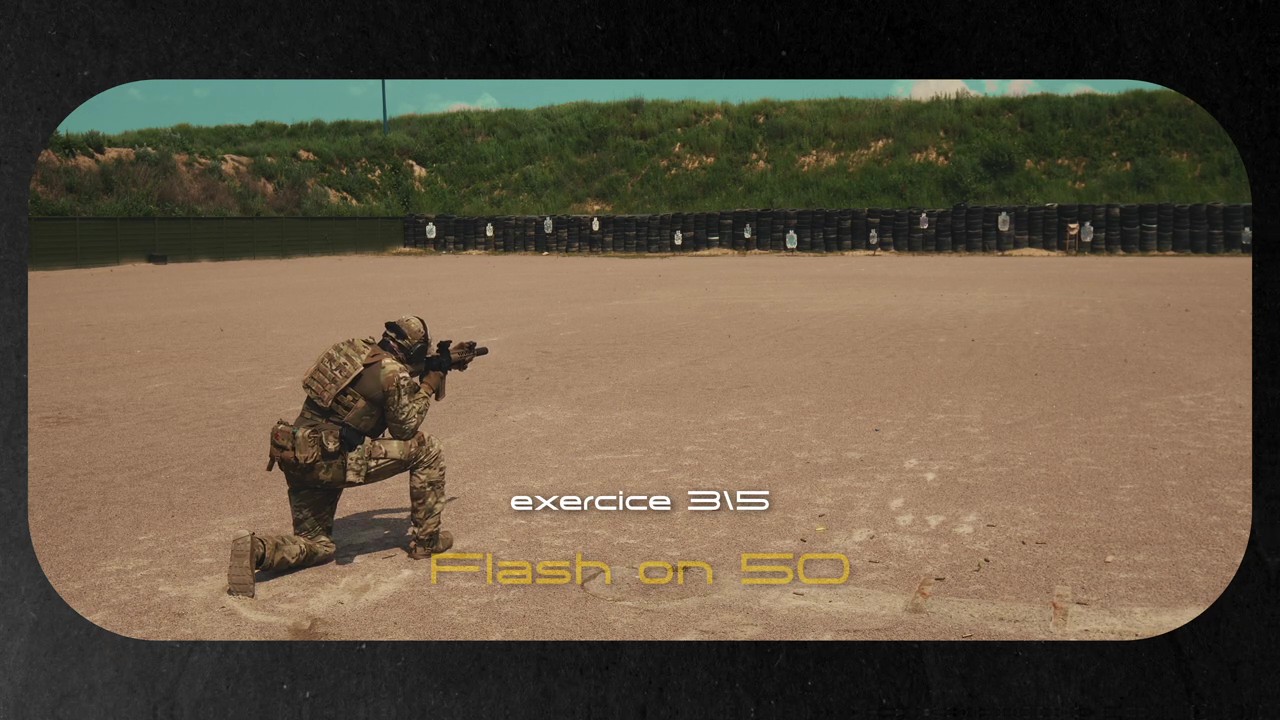
5.3 Flash on 50
Flash on 50
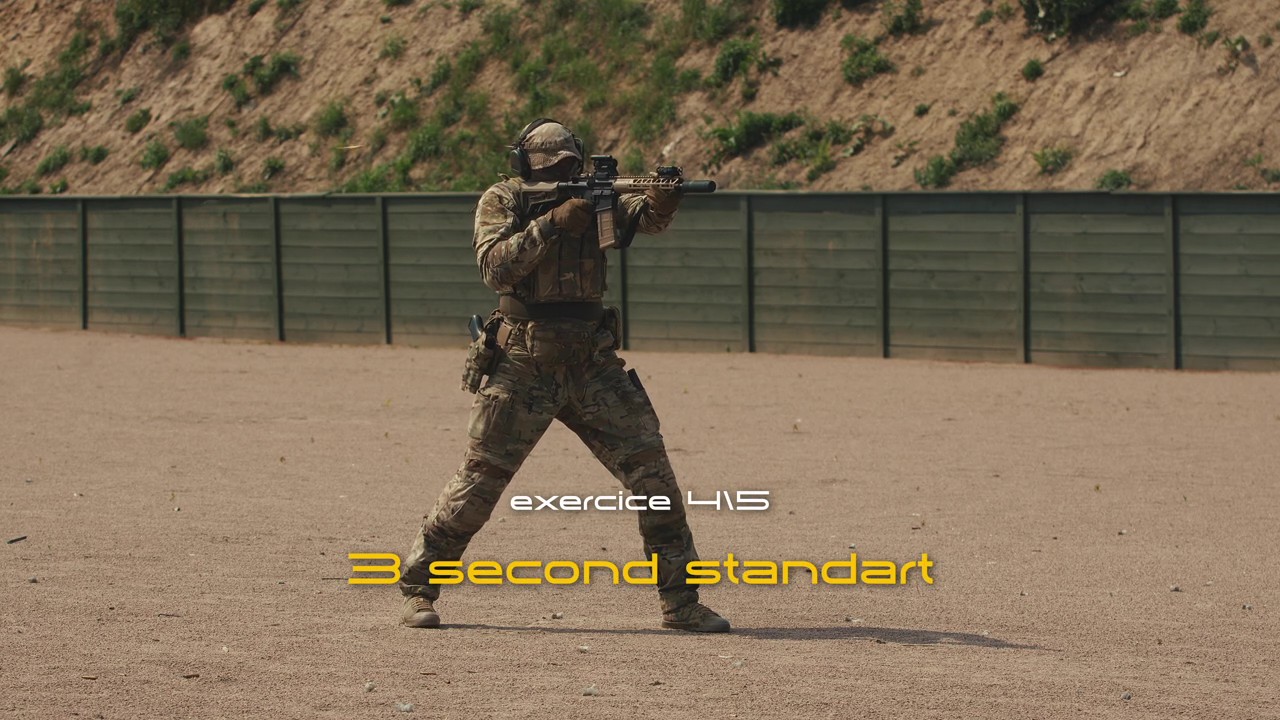
5.4 Three-Second Standard
In this lesson, the instructor presents one of the key drills for developing the rate of fire — the Three-Second Standard. This is a core tempo drill designed to test and refine a shooter’s ability to deliver fast, controlled trigger presses within strict time constraints.
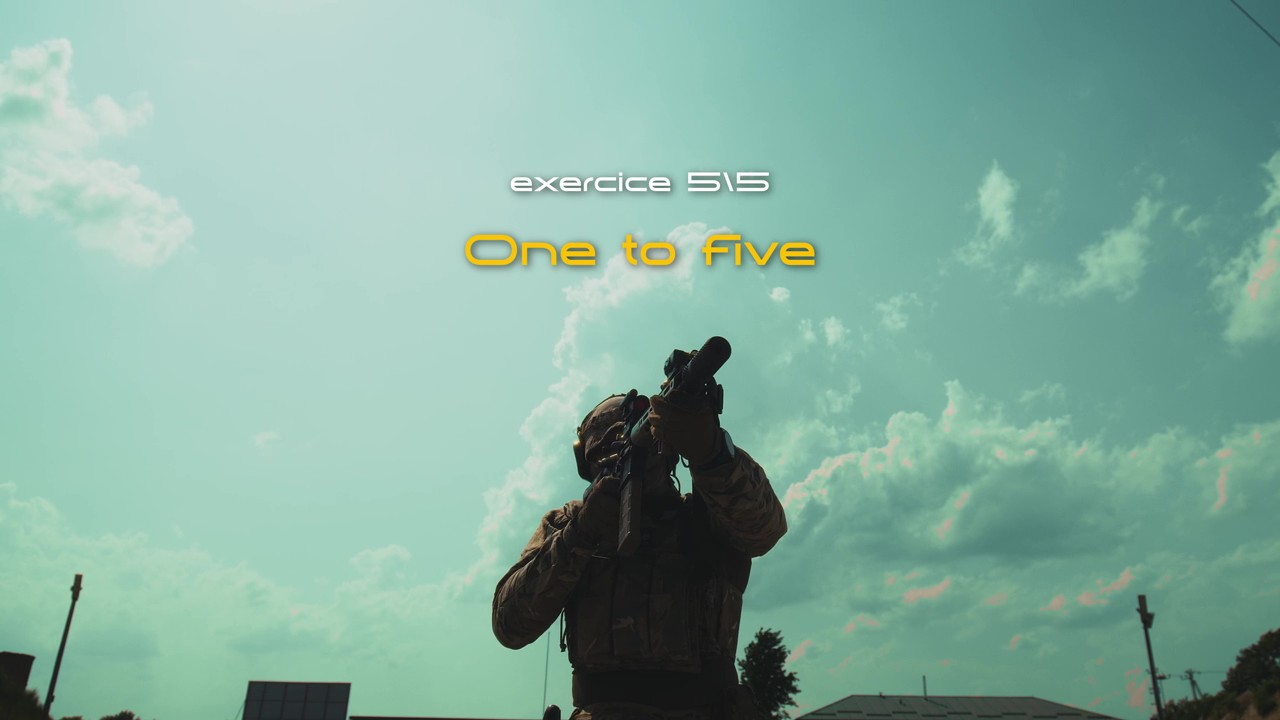
5.5 Control exercise "one to five"
In this lesson, the instructor presents the control drill for rate-of-fire development — “1 to 5” It is one of the most recognized tempo drills in modern marksmanship, designed to test both shooting speed and the shooter’s ability to execute rapid target transitions combined with incrementally growing shot strings.
5.6 Additional Exercise - Automatic Fire
In this bonus lesson, the instructor expands the topic of rate of fire by introducing a critical component of modern combat shooting — full-auto fire. You will learn why full-auto is not about precision, yet remains essential on today’s battlefield, where automatic fire frequently becomes a lifesaving tool in assault and defensive operations. The instructor explains that rate of fire is not only about trigger control — it is about controlling your entire body as the weapon delivers strong, chaotic recoil impulses. In real combat there is rarely time for a perfect stance: sometimes you must fire through a small opening, balance on one leg, or shoot in near-chaotic conditions. Nevertheless, even in chaos, a shooter must create patterns of control.
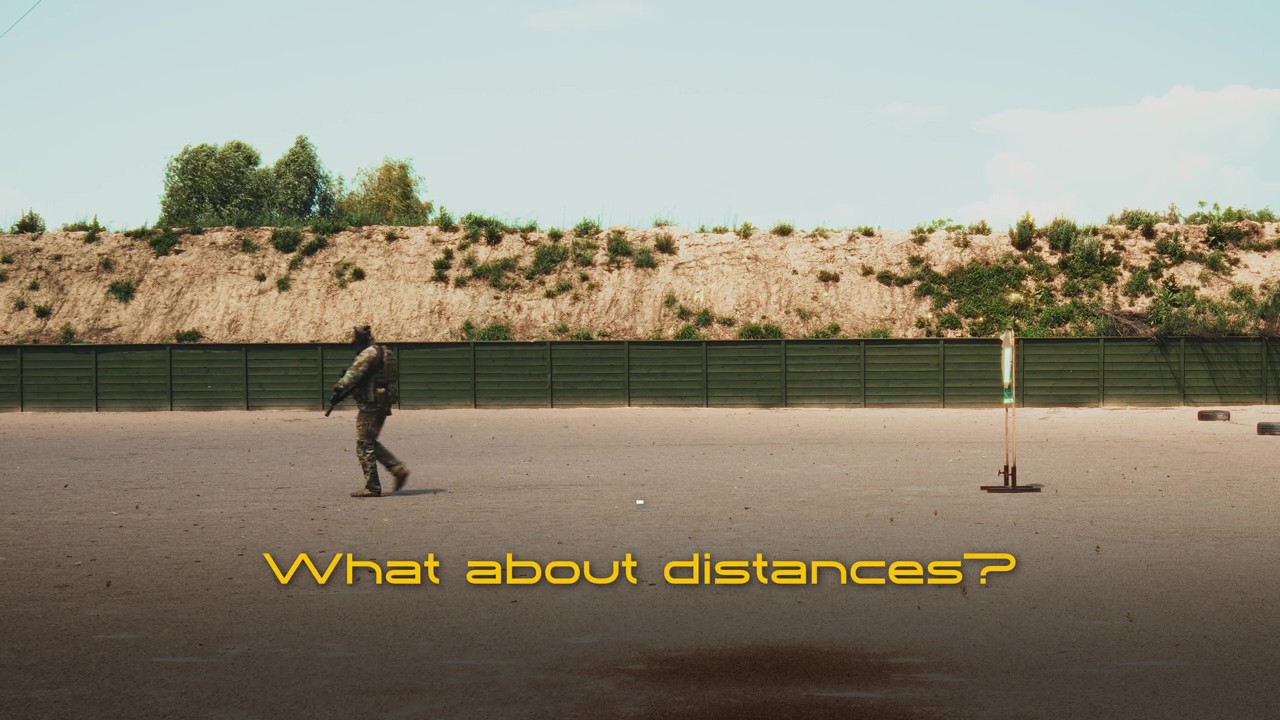
Topic 5: On Firing Distances and Their Characteristics
In this episode, we explain the concepts of short, medium, long, and extreme-long shooting distances, as well as ultra-short distances. We break down how direct fire works, how zeroing at 50 meters affects aiming, and how bullet behavior changes in flight. You’ll learn when to apply aiming corrections, how bullet stabilization works, and why accuracy decreases at extended distances. A practical overview for understanding and applying distance-based shooting principles